
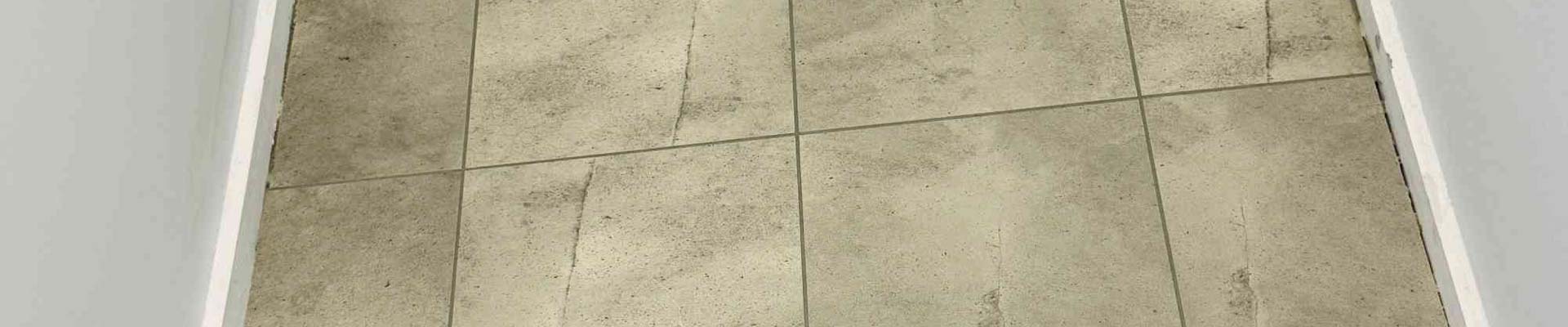
Why Are Your Floor Tiles Cracking in Brisbane Homes? Causes and When to Replace Them
Cracked floor tiles can affect the appearance, safety and durability of your home. Although tiles are designed to withstand regular foot traffic, they can develop cracks due to installation issues, impact damage, moisture or movement beneath the floor. For Brisbane homeowners, understanding the possible causes can help determine whether the tiles need a simple repair or professional replacement.
Common Reasons Floor Tiles Crack
1. Movement Beneath the Floor
Movement in the underlying concrete slab or subfloor can place pressure on tiled surfaces. Changes in building conditions, minor structural movement or an unstable base may cause tiles to crack over time. If cracks appear across several tiles or follow a continuous line, the underlying surface may need to be assessed before replacement.
2. Poor Tile Installation
Correct surface preparation and installation are essential for long-lasting floor tiles. If the floor is uneven or the adhesive does not provide adequate coverage, unsupported areas can develop beneath the tiles. Pressure from everyday use may eventually cause the tiles to crack or become loose.
Professional floor tiling involves preparing the surface properly, selecting suitable materials and installing tiles carefully to create a durable finish.
3. Heavy Impact or Excessive Weight
Dropping heavy objects onto a tiled floor can cause chips, cracks or broken corners. Heavy furniture and equipment may also put pressure on tiles, particularly where the surface underneath is uneven or the tiles are not suitable for the application.
Using protective pads beneath furniture and handling heavy items carefully can help reduce the risk of impact damage.
4. Moisture and Temperature Changes
Moisture can affect some flooring materials and contribute to problems beneath tiled surfaces. Temperature changes can also cause materials to expand and contract. If movement is not properly accommodated during installation, stress may develop across the tiled floor.
Persistent dampness, loose tiles or damaged grout should be investigated to identify the underlying problem before repairs begin.
What Are the Warning Signs of Damaged Floor Tiles?
Not every tile problem starts with a large, visible crack. Recognising early warning signs can help prevent further deterioration.
Look for:
Fine cracks spreading across the tile surface.
Chipped edges or broken corners.
Loose tiles that move underfoot.
Cracked or deteriorating grout lines.
Hollow sounds when tapping certain tiles.
Cracks appearing in multiple tiles or repeatedly in the same area.
These signs do not always indicate a serious structural issue. However, recurring cracks or widespread damage may require a closer inspection of the floor and its installation.
Should You Repair or Replace Cracked Floor Tiles?
The right solution depends on the extent of the damage and what caused it.
A single tile with a small crack caused by an impact may be suitable for replacement, provided the surrounding tiles and underlying surface are in good condition. Replacing the damaged tile can improve the floor’s appearance without requiring a complete renovation.
However, when several tiles are cracked, loose or uneven, replacing individual tiles may not address the underlying issue. The surface preparation, adhesive coverage and condition of the subfloor may need to be checked before new tiles are installed.
It is also important to consider the availability of matching tiles. Older flooring designs may be difficult to match, so homeowners should discuss suitable replacement options before work begins.
How Can You Prevent Floor Tiles from Cracking Again?
Although some causes cannot be completely avoided, proper installation and regular care can help extend the life of tiled floors.
Keep these points in mind:
Ensure the floor is properly prepared before installing new tiles.
Choose tiles suited to the room and expected foot traffic.
Use appropriate adhesives and installation materials.
Address persistent moisture or drainage problems.
Avoid dropping heavy objects onto tiled surfaces.
Inspect damaged grout and loose tiles before the problem spreads.
For indoor and outdoor areas, selecting suitable tiles is particularly important because exposure conditions and usage requirements can differ.
When Should You Consider Professional Floor Tiling?
If cracks keep returning, several tiles are damaged or the floor feels uneven, professional assessment can help identify the likely cause and suitable repair options. Addressing the source of the problem before installing replacement tiles can reduce the risk of similar damage occurring again.
For residential and commercial properties, decoration tiling in Brisbane can help restore damaged flooring and create a practical, attractive finish suited to the space. The most appropriate solution will depend on the tile type, condition of the existing floor and extent of the damage.
With suitable materials, careful preparation and correct installation, cracked floor tiles can be addressed more effectively, helping maintain a durable and well-presented floor.

